
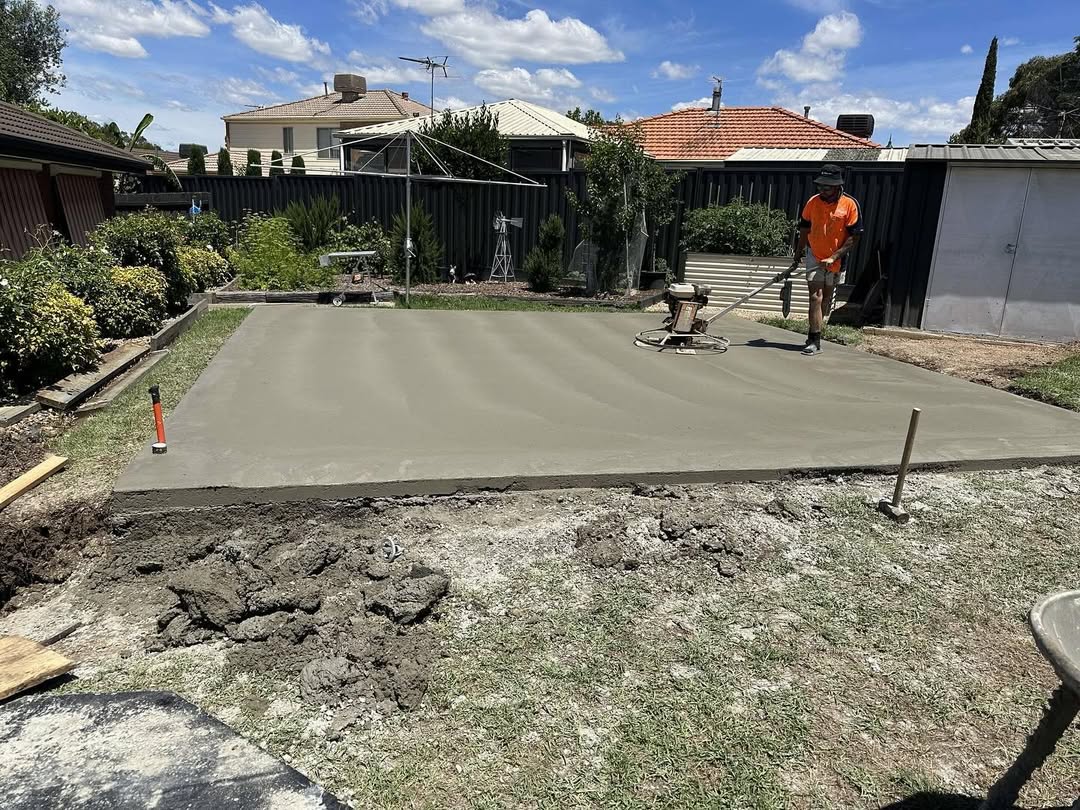
Plum concrete — also called cyclopean or rubble concrete — is an old-school volume filler: a matrix of sand, cement and smaller aggregate surrounding large "plums" of rock, typically 150mm to 300mm or bigger. It's specified on mass footings, dam structures, and historic works where filling huge sections with full-strength structural mix would waste money. Economical in the trench; nightmare in a 125mm hose if someone confused placement methods.
The rule pump operators live by
Crane and pump sequencing
On mass footings with plum placement, crane availability gates pour rate. Matrix supply must match plum drop rate — too fast and plums sink or cluster; too slow and cold joints form between lifts. Pre-pour meetings align crane radius, plum stockpile location, and pump output so neither crane nor pump waits unnecessarily.
Testing and inspection
Engineers inspect plum contact and matrix encapsulation — voids around plums are structural defects. Pump operators maintain steady matrix flow so placement crews can embed plums without chasing stiff fronts. Photography of lifts is common on infrastructure work; gaps show up in review when feed was pulsed from hopper problems.
Weather and matrix stiffening
Hot weather stiffens matrix in line on slow plum placement days — crane delays happen, matrix keeps moving or stops intentionally with engineer agreement. Operators coordinate pause protocol: empty line or accept controlled cold joint location, never pretend a stalled line is fine because plums aren't ready.
Cold weather slows plum crew mobility but extends matrix working time — still avoid idle full line; stiff matrix at restart blocks faster than operators expect from summer experience.
Frequently asked questions
- Can any pump do plum concrete? The matrix pumps; plums never go through the line — method statement must reflect that.
- What aggregate size for matrix? Typically 20mm max, often 10mm on long lines — engineer confirms.
- Who places plums? Crane or manual placement into fresh matrix — not the pump operator's scope unless separately contracted.
- How fast can matrix be placed? Matched to plum crew and lift thickness — faster isn't better.
Booking with MetroFlow
Every pour starts with the same information: address or site, estimated volume, mix details if known, and photos of access from street to pour point. We respond with pump type recommendation, boom class if applicable, and all-in pricing without hidden wash or travel surprises on standard Metro jobs. On program work across Victoria, we hold rates and assign consistent operators where repeat quality matters. Whether your job is a Narre Warren house slab, a Geelong warehouse bay, or a Richmond basement wall, the physics of pumping don't change — only the geometry and mix do. Send the details through our quote form or call direct; we'd rather talk you out of the wrong pump than sell you the expensive one. Good pours are boring pours — preparation, honest communication, and operators who've seen your problem before make pour day forgettable in the best way.
Plums do not go through the pump. Full stop. What goes through the pipeline is the matrix — the pumpable mortar that surrounds and carries plums placed separately. If your method relies on pumping whole plums, you're not doing plum concrete the way any experienced Victorian operator understands it.
How plum pours actually work
Typical sequence on mass footings:
- Pump the matrix in lifts — usually 300–600mm thick depending on spec and plum size.
- Place plums by crane or hand into the fresh matrix, ensuring coverage and contact.
- Rod or vibrate around plums per engineer direction — not so aggressively that plums segregate.
- Repeat until the section is full.
Our role is steady matrix supply at a rate the placement crew can keep up with — often a boom into a deep excavation or a line on civil sites where the boom can't reach.
Matrix mix design for pumping
The matrix behaves like a rich, fine aggregate concrete:
- Top size usually 20mm or less — often 10mm for long lines.
- Higher cement content to flow around plums and fill voids.
- Slump on the upper side of what the engineer allows — stiff matrix doesn't nest around 200mm rock.
We coordinate with the batch plant so matrix isn't confused with structural 40 MPa for the slab above — different orders, different tickets, different price.
Access and volume on Melbourne civil jobs
Plum fills appear on bridge abutments, retaining mass, and large industrial footings in Melbourne's west and outer growth corridors. Access is often down a ramp into an excavation — line length and hopper feed matter. Matrix volumes can be huge; scheduling multiple agitators is program-critical. Read our commercial scheduling notes for how we keep trucks turning without burying the hose crew.
Common spec misunderstandings
- "Pump the lot" — only the matrix is pumped; clarify in pre-pour meetings.
- Plum size vs lift thickness — a 250mm plum in a 300mm lift is tight; engineers and concreters agree minimum matrix thickness.
- Strength testing — cores sample matrix; plums aren't the tested component.
When we decline or redirect
If someone asks us to pump a mix with 100mm aggregate "because the engineer said pumpable," we ask questions. If they mean true plum concrete with embedded rock, we explain the method. If they mean gap-graded mass concrete, that's a different conversation about line diameter and risk — not plum concrete in the traditional sense.
Plum concrete is a legitimate, cost-effective fill when placement method is respected. Pump operators aren't obstacles to the process — we're how the matrix gets to the bottom of a 4-metre trench without fifty labourers and wheelbarrows.
Mass footing with plum spec? Share the drawing — we'll quote matrix pumping and help align the pour sequence with your crane or labour plan.