
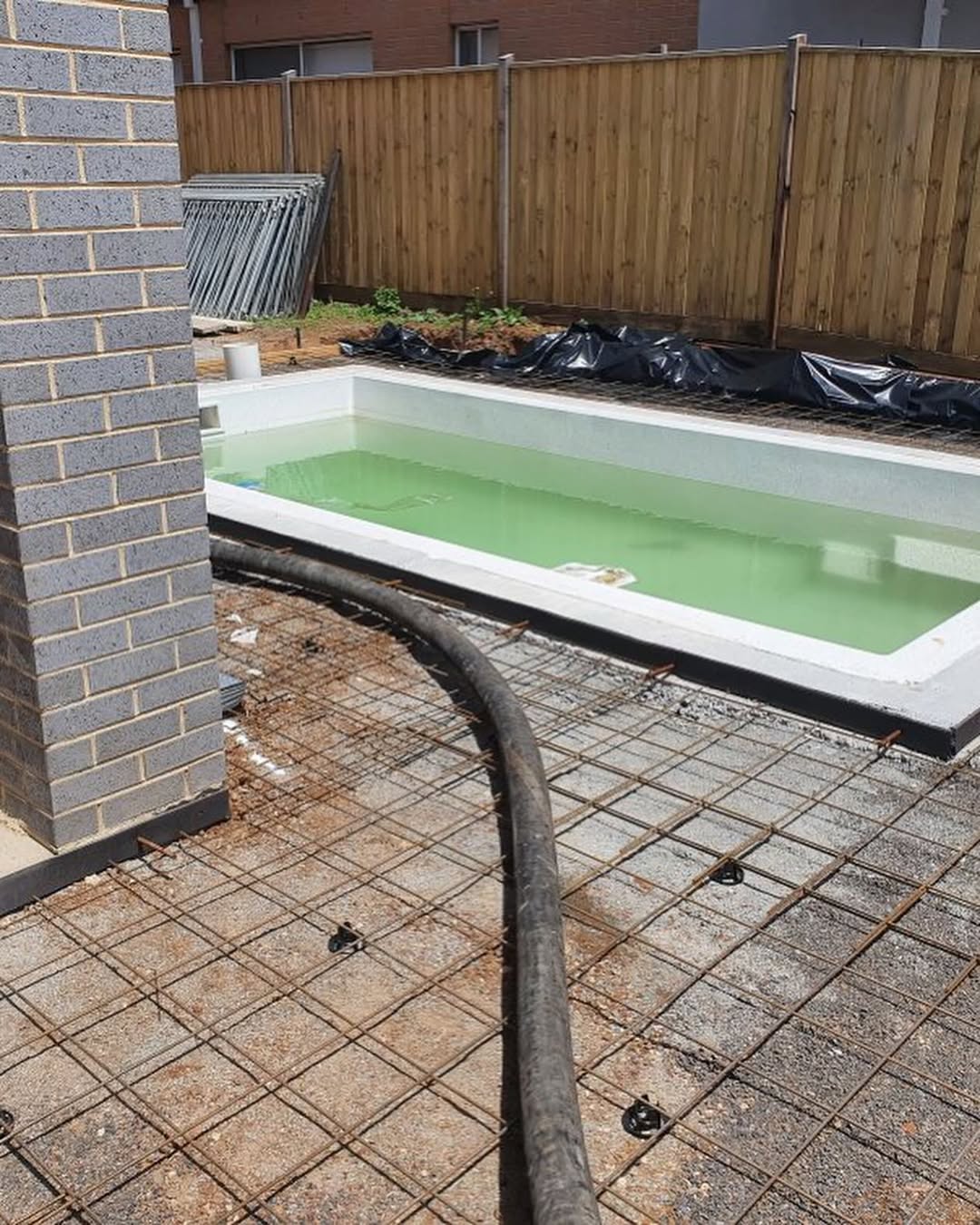
"Rich mix" means different things to different people on site. To a structural engineer it's cement content and water-cement ratio. To a batch plant it's binder kilograms per cubic metre. To a pump operator it's the day the mix feels thick at 100mm slump and still climbs the pressure gauge on the first long bend.
Rich mixes — typically high OPC, supplementary cementitious materials, lower water — are specified across Melbourne for footings in aggressive soils, thin walls, high early strength panels, and repairs where cover and durability can't be compromised. They're absolutely pumpable. They're also the mixes most likely to expose a marginal aggregate blend or an operator who doesn't prime properly.
Why rich mixes feel "heavy" in the line
Cement paste lubricates aggregate through the pipeline. Rich mixes have plenty of paste — but if grading is gap-graded or sand is coarse, paste alone doesn't help; stones lock at bends. Low water means less free fluidity; what slump exists comes from admixtures, not water slop at the chute.
- Friction rises in steel bends and reducers.
- Heat builds on long pours — hydration plus pumping energy.
- Stiffening accelerates if trucks wait in queue on a hot afternoon.
What we do before pour day
On rich-mix jobs we ask for the full mix design, not just MPa:
- Cementitious content and SCM type (fly ash, slag, silica fume change rheology).
- Aggregate size and source — crushed rock vs river sand pumps differently.
- Admixture type and slump at discharge vs slump at placement.
- Estimated line length and pour rate for boom or line.
If line length is serious, we talk to the plant about a pump-friendly adjustment within spec — often a touch more sand or a polycarboxylate tweak the engineer still signs off.
On the day — operator habits that matter
- Prime properly. Rich paste grabs dry steel; priming slurry isn't optional.
- Keep concrete moving. A full line standing idle on a 40°C Melbourne afternoon is a blocked line waiting to happen.
- Match truck spacing to pump output — see commercial scheduling principles on smaller jobs too.
- Watch pressure trends, not just absolute numbers. A climbing baseline means something's changing in the mix or the line.
Rich mix vs "add water at the chute"
Adding water to rich mix destroys the design intent and often makes pumping worse by segregating paste from stone. If the mix arrives stiff out of spec, the answer is a plant conversation and documented adjustment — not a secret hose at the back of the truck. We've stopped pours over this; so should you.
Where rich mixes show up in Victoria
Basement walls in Southbank infill, marine-adjacent footings on the Bay, precast panel beds in Dandenong South, and repair mortars scaled to structural volume. Different jobs, same pumping discipline: respect the design, plan the line, don't let trucks stack up.
Rich mix isn't a reason to wheelbarrow. It's a reason to hire operators who read pressure gauges and batch tickets, not just the clock.
Heat management on long pours
Rich mixes generate hydration heat — pumping adds mechanical energy. On summer pours in Melbourne's west, line temperature climbs through the afternoon. Operators shade exposed line where practical, keep concrete moving, and avoid leaving a full line static during lunch breaks. If the engineer permits ice or chilled water substitution, that conversation happens at specification stage, not mid-pour when the line is already warm.
Communication chain
Successful rich-mix pours involve three parties aligned: engineer owns specification, plant owns batch consistency, pump operator owns placement rate and pressure trend reporting. When pressure climbs load-over-load with identical tickets, operator calls plant before concreter adds water. That single call saves more cubes than it costs in pride.
Vertical elements and wall pours
Rich mixes in wall formwork combine stiff design with congested steel — pump pressure climbs at reducers entering narrow forms. Operators use gradual transitions and avoid abrupt diameter steps; formwork blowout from surging is rare but catastrophic when it happens on high binder mix.
Strip time and curing protocols extend on rich mixes — pump company demobilises after wash, but site should know early strength development differs from standard slab mix. Don't load green rich walls because pump finished on time.
Frequently asked questions
- Can we add water on site? Only with engineer and plant approval — ad-hoc water destroys w/c ratio and often worsens pumping.
- Does rich mix always need a boom? No — line pumps handle rich mix on appropriate routes; geometry not binder content dictates pump type.
- Will rich mix cost more to pump? Sometimes slightly, due to slower rate and wear — quoted upfront on MetroFlow jobs.
- How do I specify pump-friendly rich mix? Ask batch plant for pumpability review against your line length before locking order.
High binder mix on the drawings? Send the mix design and site layout — we'll quote honestly and flag plant tweaks before the first agitator turns up.